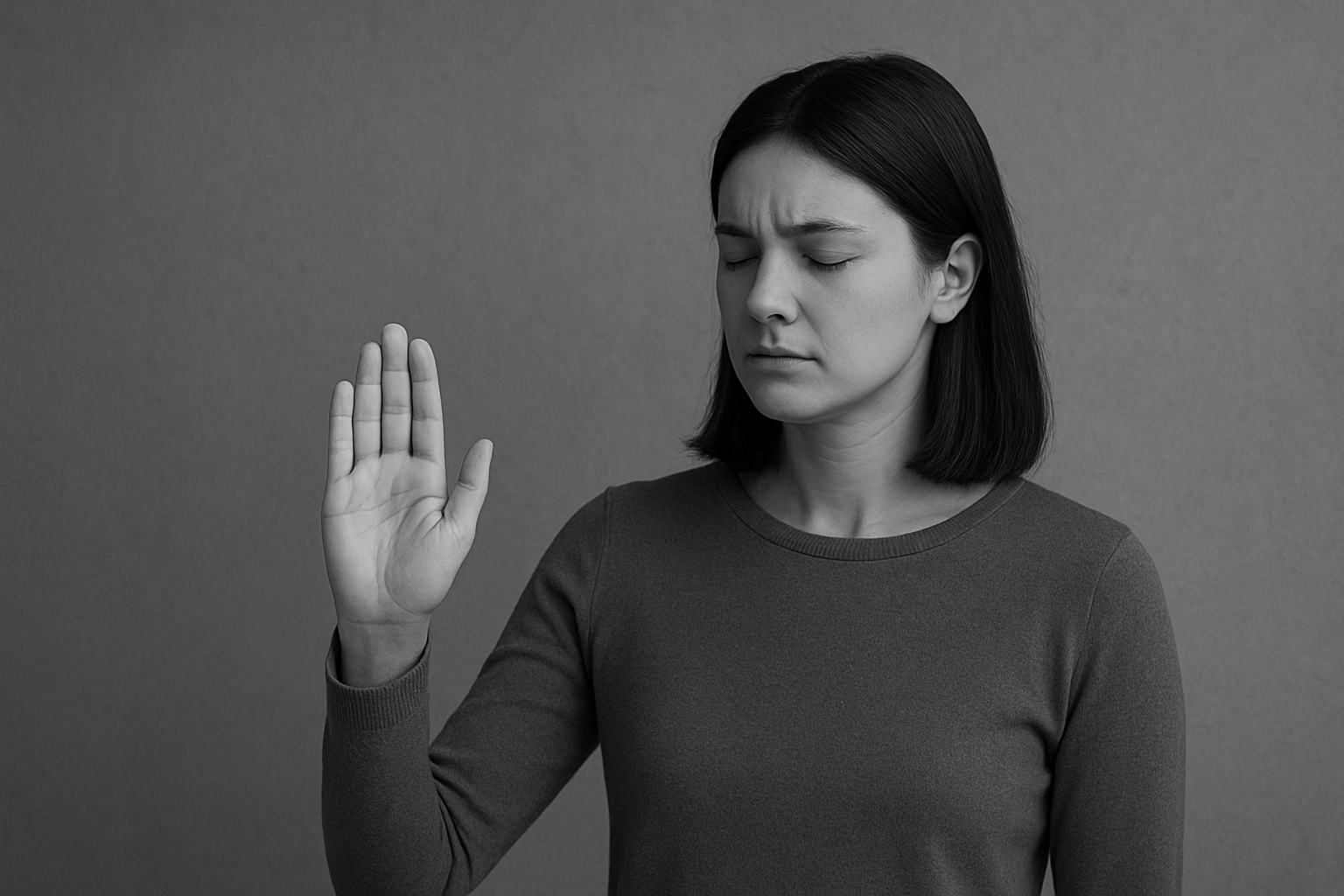


Some common names people use to call me are drama queen, manipulator, liar, and slut. Well, I don’t deny the fact that there is some truth in it. But the way you put it is the problem. Because unlike you, I have a distorted personality: Borderline Personality.
What Is Borderline Personality?
According to Mayo Clinic, Borderline Personality Disorder is a mental health condition marked by intense emotions, unstable relationships, impulsive behaviour, and an unstable sense of self. A strong fear of abandonment often drives emotional volatility and actions that may unintentionally push others away. While symptoms usually begin in early adulthood and may lessen with age, challenges around self-image and relationships often persist. With treatment, many people with BPD are able to lead more stable and fulfilling lives.
How Do I Feel Emotions?
The reason why people call me a drama queen is because I show intense emotions; sometimes too strong for them to digest. In reality, unlike neurotypical people, these emotional peaks are real for me. I express emotions in the same intensity in which I feel them.
So even if you can’t understand or rationalise it in your brain, just keep in mind that I am a little too much like a bouncy ball. You might be tougher than me, but that doesn’t mean I am any weaker.
Is There Real Manipulation?
Yes and no.
If by manipulation you mean trying to make you understand the surge of emotions that I am passing through, then yes. But I don’t think we can generally call that manipulation.
Indeed, the idea that people with BPD are maliciously emotionally manipulative is common, causing even some clinicians to avoid working with them. The way your loved one behaves toward you can profoundly fracture your relationship and leave you with deep shame, anger, resentment, and hopelessness—sometimes creating the false belief that BPD manipulation is intentional or malicious.
However, what is perceived as emotional manipulation is, in fact, a far more complex phenomenon. It does not come from a place of malice, but from overwhelming distress filtered through profoundly disordered coping skills. By understanding why people with Borderline Personality Disorder act the way they do, one can gain a better perspective on the nature of the illness and understand why intensive treatment is vital for healing.
”In reality, unlike neurotypical people, these emotional peaks are real for me
Zero Hour
Am I Vulnerable?
Yes, I am. And I know that.
Because I am too easily influenced and too fragile from within, I can be the best target for any sort of abuse. My ill-formed self traps me in relationships that are not healthy for me. This is why I am incapable of dealing with toxic people.
The Relationships of Borderline Personality People
Trust me, it’s a push–pull.
Both the push and pull you see in the periphery are happening inside my brain too. When someone gets too close, I feel like I am being strangled. When they take a little bit of space, I feel abandoned.
If someone does something against my value system, no matter how insignificant it may seem, I will see them as the most evil person alive. And once, after doing all the damage, that same person smiles at me, I suddenly perceive them as the best of all angels.
It’s the black-and-white thinking, fear of abandonment, and emotional instability that make my relationships tougher.
The Social Life of Borderline Personality People
Society scares me.
Because I could never be what they think is livable. I am too impulsive, intense, and unstable. These three traits primarily made me a rebel, and in some ways, that helped.
But the criticism they directed at me damaged me deeply. Because I am sensitive and emotional, they could harm me very easily at a young age.
Now I am mature. According to society, I should be able to stand silly comments and live a successful life. But for me, being consistent in jobs, dealing with uncertainties, and functioning “normally” are difficult. And I still get hurt when someone says something bad about me; no matter how much I know they are insignificant in my life.
The gist is this: I have social anxiety, I am sensitive to comments, easily influenceable, and therefore my social life is a daily trauma.
How Do I Cope?
As you all know, I am taking therapy and medication to deal with what I suffer from. More importantly, I am trying to build self-esteem and learning how to deal with uncertainty in life.
Today, I am an entrepreneur, and I proudly proclaim that. This is part and parcel of my journey. I know this condition is incurable, but I can still be functional. And obviously, my thoughts will be different from others.
My BPD made me who I am today.
Wrap Up
BPD, and other personality distortions, for that matter, are not random flaws or choices. They are personalities shaped by many underlying reasons, often rooted in early experiences, emotional injuries, and the ways a person learned to survive. Instead of alienating people with personality disorders or reducing them to labels, we can begin to look deeper. When we do, we may start to see the quiet miracle beneath the struggle, the resilience, sensitivity, intensity, and strength that coexist with the pain, and the very qualities that make these individuals profoundly human.